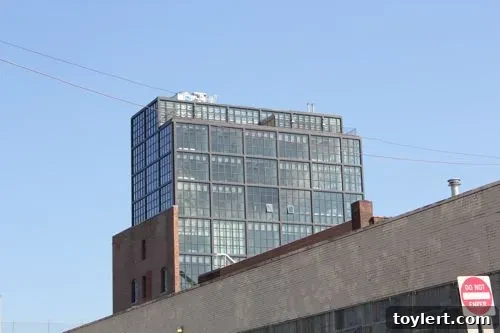
The Wythe Hotel: A Catalyst for Williamsburg’s Ongoing Transformation
Williamsburg, Brooklyn, a neighborhood once synonymous with its industrial roots and a burgeoning counter-culture, has undergone a remarkable metamorphosis. At the heart of this dramatic evolution stands the Wythe Hotel, an architectural marvel that has become far more than just a place to stay. As lauded by institutions like The New York Times, the Wythe Hotel has undeniably become a central character in Williamsburg’s narrative, drawing a diverse tapestry of “beautiful people”—from discerning hipsters and effortlessly rumpled preppies to savvy Midtown P.R. professionals—all eager to experience the unique allure of this vibrant Brooklyn enclave.
Its presence signals a definitive shift, marking Williamsburg as a prime destination for those seeking the “Next Big Thing” in New York City’s ever-evolving cultural landscape. For newcomers and seasoned Brooklynites alike, the hotel and its surrounding ecosystem offer an immersive experience that encapsulates the borough’s modern identity.
Industrial Chic Meets Modern Luxury: The Wythe Hotel Experience
Perched majestically along the Brooklyn waterfront, the Wythe Hotel is not merely a structure; it’s a statement. Housed within a beautifully restored 1901 factory building, the hotel seamlessly blends its industrial heritage with contemporary luxury. Its design pays homage to the building’s past, featuring original pine beams, exposed brickwork, and large factory windows that frame breathtaking views of the Manhattan skyline and the East River. This commitment to preserving history while embracing modernity has made the Wythe a beacon of style and sophistication in Williamsburg.
Each of the Wythe’s meticulously designed rooms offers a distinct personality, often boasting floor-to-ceiling windows that invite natural light and expansive vistas. Guests are treated to custom-made furnishings, local artworks, and a comfortable ambiance that reflects Brooklyn’s artisanal spirit. But the Wythe Hotel’s appeal extends far beyond its exquisite accommodations; it is a full-fledged cultural complex, offering a curated experience that caters to both its guests and the surrounding community.
Reynard: Culinary Excellence at the Wythe’s Core
Integral to the Wythe Hotel’s charm is Reynard, its critically acclaimed ground-floor restaurant. Emphasizing a farm-to-table philosophy, Reynard delights diners with seasonally inspired American cuisine prepared with the freshest local ingredients. The restaurant’s rustic yet refined atmosphere, characterized by its open kitchen and inviting communal tables, fosters a sense of community and culinary exploration. Whether it’s for a leisurely brunch, an intimate dinner, or simply an expertly crafted cocktail, Reynard has firmly established itself as a gastronomic destination, drawing food enthusiasts from across the city and beyond. It is here that the New York Times, in its comprehensive ode to the Wythe, curiously referred to the establishment as “the Reynard,” a testament to its singular presence and recognized stature in the competitive NYC dining scene.
Rooftop Views and Vibrant Social Hubs
The Wythe Hotel also boasts a spectacular rooftop bar, a perennial favorite for both hotel guests and locals. Offering unparalleled panoramic views of the Manhattan skyline, this elevated oasis provides the perfect backdrop for sunset cocktails, late-night conversations, and memorable social gatherings. It has become a quintessential Brooklyn experience, embodying the borough’s blend of sophisticated urbanity and relaxed charm. The hotel’s ability to serve as a vibrant social hub, attracting “crowds eager to finally explore the Next Big Thing,” underscores its profound influence on Williamsburg’s reputation as a magnet for trendsetters and cultural connoisseurs.
The dazzling hotel and night life complex, a staple of the Manhattan circuit, has finally washed up on Brooklyn’s hype-friendly shores, bringing with it the kind of crowds eager to finally explore the Next Big Thing. And what are they finding across the river? Communal tables, artisanal beer, saltwater pools and a cast of characters right out of the HBO series “Girls.”
Williamsburg’s Vibrant Nightlife and Cultural Canvas
The Wythe Hotel is undoubtedly a crown jewel, yet it is part of a larger, glittering constellation of nightlife and cultural hotspots that define modern Williamsburg. The neighborhood’s evolution has cultivated a dynamic ecosystem where visitors can immerse themselves in a rich tapestry of entertainment, dining, and artistic expression.
Iconic Venues Shaping the Brooklyn Experience
- Kingfolk Studios: A renowned creative space and recording studio, Kingfolk has played a significant role in fostering Brooklyn’s independent music scene, attracting artists and music lovers alike. Its raw, authentic vibe stands as a testament to Williamsburg’s enduring artistic spirit.
- Brooklyn Bowl: This unique venue offers an unparalleled fusion of live music, bowling, and acclaimed food by Blue Ribbon. It’s a place where you can catch an intimate concert from a world-class artist, enjoy a round of bowling with friends, and savor delicious culinary creations—all under one roof. Brooklyn Bowl perfectly encapsulates the neighborhood’s inventive approach to entertainment.
- Brooklyn Brewery: A pioneer in the craft beer movement, Brooklyn Brewery has been a cornerstone of the neighborhood for decades. Its tasting room and brewery tours offer a deep dive into the art of brewing, attracting beer aficionados and casual drinkers eager to sample its diverse range of innovative and classic brews. It represents the artisanal craftsmanship that has become synonymous with Brooklyn.
- Berry Park: Described as “a two-level sports bar that plays house music and soccer games,” Berry Park exemplifies Williamsburg’s ability to blend seemingly disparate elements into a cohesive, enjoyable experience. Its rooftop space offers stunning views, making it a popular spot for both daytime relaxation and spirited evening gatherings.
Beyond these established names, the article also hints at an emerging landscape, including “a newly sanitized waterfront” that has been transformed into accessible public spaces, offering green areas and scenic walkways for recreation. This development further enhances Williamsburg’s appeal, providing tranquil escapes amidst its bustling urban fabric. Moreover, the mention of “another yet boutique hotel — this one with a South-Beach-in-Brooklyn poolside ambience” points to the neighborhood’s continuous growth and its expanding offerings for luxury and leisure, signaling a diversification from its more traditional, indie-focused past. This shift highlights a significant departure from the “illegal days” of music venues like Glasslands or the more grassroots “spelling bee and craft nights at Union Pool and Pete’s Candy Store,” illustrating how the neighborhood has matured and broadened its appeal.
The Discourse of Gentrification in Williamsburg: A Neighborhood in Flux
The rapid evolution of Williamsburg, spearheaded by developments like the Wythe Hotel and the influx of new businesses, naturally sparks conversations about gentrification. The wry observation by a waiter at Reynard—”We’re really looking at a post-post-post-gentrification neighborhood, aren’t we?”—perfectly captures the sentiment of a community grappling with profound and accelerated change. This tongue-in-cheek comment underscores the sheer pace and depth of transformation that has reshaped Williamsburg, pushing it far beyond the initial stages of urban renewal into an entirely new phase.
From Industrial Grit to Cultural Epicenter
Historically, Williamsburg was an industrial hub, characterized by factories, warehouses, and working-class communities. Over time, its affordable rents and proximity to Manhattan attracted artists, musicians, and young professionals, who brought with them a vibrant creative energy. This initial wave of gentrification laid the groundwork for the subsequent phases, which saw increasing investment, development, and a surge in property values. The arrival of high-profile establishments like the Wythe Hotel marked a tipping point, solidifying Williamsburg’s status as a premier destination for luxury, culture, and entertainment.
The “post-post-post-gentrification” remark suggests that the neighborhood is now navigating a complex landscape where the original pioneers and long-time residents coexist with, or have been displaced by, a new wave of affluent inhabitants and commercial ventures. This rapid transformation brings both celebrated benefits and challenging consequences. On one hand, it has led to significant economic development, improved infrastructure, a broader array of amenities, and an increased sense of safety. The “sanitized waterfront” and new boutique hotels are tangible examples of this growth. On the other hand, it raises concerns about affordability, the loss of authentic neighborhood character, and the displacement of established communities and independent businesses that once defined Williamsburg’s unique identity.
The changes occurring in this corner of Brooklyn are a microcosm of broader urban trends, reflecting the ongoing tension between progress and preservation. Williamsburg today is a testament to resilience and adaptation, a place where the echoes of its past intermingle with the aspirations of its future.
Williamsburg: A Must-Visit Destination
Today, Williamsburg stands as one of New York City’s most dynamic and sought-after destinations. Its magnetic appeal lies in its ability to seamlessly blend historic charm with cutting-edge trends, offering something for every type of visitor. From the architectural grandeur of the Wythe Hotel to the bustling energy of its nightlife venues, the culinary delights of Reynard, and the innovative spirit of its independent businesses, Williamsburg truly encapsulates the modern Brooklyn experience.
Whether you’re drawn by the promise of artisanal food and craft beer, the allure of live music, the desire for stunning skyline views, or a fascination with urban transformation, Williamsburg promises an unforgettable journey. It’s a neighborhood that continues to redefine itself, inviting both first-time explorers and returning admirers to discover its ever-evolving character and vibrant pulse. The Wythe Hotel remains a shining emblem of this ongoing story, a testament to Williamsburg’s enduring appeal as a cultural and social epicenter in the heart of Brooklyn.