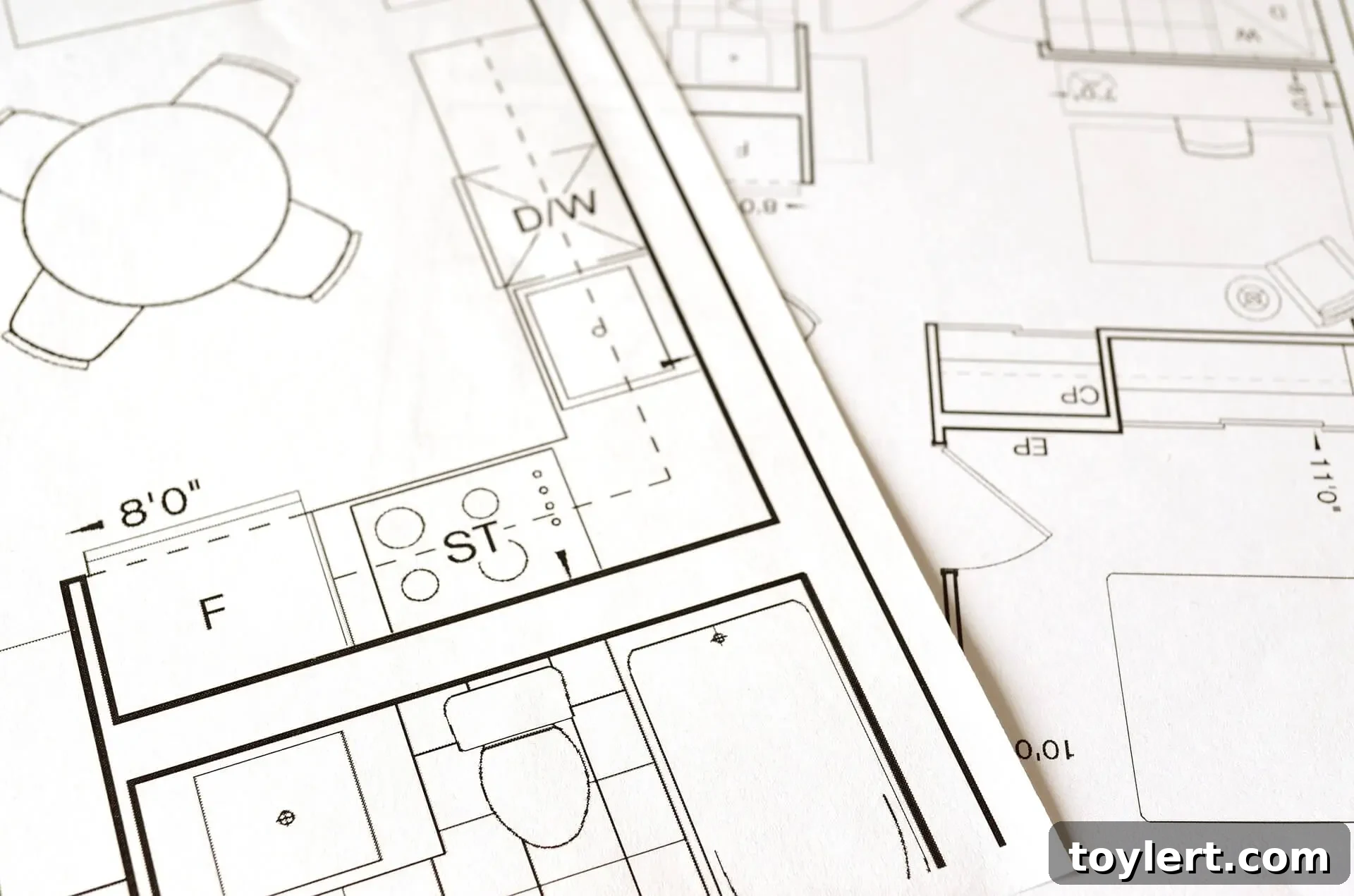
The Indispensable Role of an Architect in Your Home Renovation (Even Without Floorplan Changes)
Embarking on a home renovation project is an exciting endeavor, brimming with potential to transform your living space. A common question homeowners face, especially when major structural alterations or floorplan changes are not on the agenda, is whether hiring an architect is truly necessary. While it might seem intuitive to only engage an architect for large-scale overhauls involving new additions or reconfiguring entire layouts, their expertise extends far beyond moving walls. Even for a renovation focused on aesthetics, functionality, or modernizing existing spaces, an architect brings a unique blend of vision, technical knowledge, and project management skills that can be invaluable.
This comprehensive guide delves into the myriad ways an architect can elevate your renovation experience, ensuring a smoother process, superior results, and long-term value for your property. Their involvement is not merely a luxury but an investment that can safeguard your project from costly mistakes, design missteps, and regulatory hurdles.
Redefining the Renovation Scope: Beyond Just Walls
Many homeowners associate renovation primarily with physical structural changes. However, a successful renovation, even one within an existing footprint, is about optimizing space, enhancing livability, and infusing personality. An architect’s role in such a project is multifaceted, transforming your initial ideas into a cohesive, buildable plan.
Unlocking Design Potential and Aesthetic Cohesion
Even without altering the fundamental layout, an architect can profoundly influence the look and feel of your home. They possess a keen eye for design, proportion, and harmony, ensuring that every element contributes to a unified aesthetic vision.
- Aesthetic Vision and Material Selection: An architect helps define a clear design language for your home. They guide you through the overwhelming choices of materials, finishes, fixtures, and colors, ensuring they align with your personal style, the home’s character, and your budget. From countertop materials and cabinetry styles to flooring, paint palettes, and hardware, their expertise ensures a cohesive and sophisticated outcome that stands the test of time.
- Optimizing Existing Spaces: Without changing the floorplan, an architect can still enhance the functionality and flow of your home. This might involve re-imagining kitchen layouts within their current footprint for better workflow, designing custom built-ins for improved storage and organization, or rethinking lighting schemes to create different moods and highlight architectural features. They consider how natural light interacts with rooms throughout the day and suggest strategies to maximize its impact.
- Enhancing Natural Light and Ventilation: Even if walls aren’t moving, the strategic placement or enlargement of windows and doors can dramatically alter a room’s natural light and ventilation. An architect can advise on window types, sizes, and placements that best suit your home’s orientation and design, improving energy efficiency and creating a brighter, airier atmosphere. They also consider internal sightlines, creating a sense of openness even within defined rooms.
- Curb Appeal and Exterior Facade Improvements: If your renovation extends to the exterior, an architect can help upgrade your home’s curb appeal. This could involve selecting new siding materials, designing a welcoming entryway, choosing appropriate exterior lighting, or even suggesting landscaping elements that complement the architecture. They ensure that any exterior changes respect the home’s original style or thoughtfully introduce a new one.
Navigating the Technical and Regulatory Maze
Renovations, regardless of their scale, often involve complex technical considerations and a labyrinth of local regulations. An architect acts as your expert guide through this intricate process, preventing costly delays and ensuring compliance.
- Structural Integrity and Safety: Even seemingly minor changes, like replacing large windows or altering non-load-bearing walls, can have structural implications. An architect assesses your home’s existing structure, identifies potential weaknesses, and designs solutions that ensure safety and long-term stability. They understand how different elements interact and can foresee problems before they arise, potentially saving you from expensive structural repairs down the line.
- Building Codes and Permits: Navigating local building codes, zoning ordinances, and permit requirements can be daunting for homeowners. Architects are intimately familiar with these regulations and can prepare all necessary drawings and documentation for permit applications. This expertise is crucial, especially in areas with strict historical preservation guidelines or complex zoning laws. Their involvement ensures your project proceeds legally and without unexpected interruptions.
- Energy Efficiency and Sustainability: Modern renovations often prioritize energy efficiency and sustainable practices. An architect can integrate eco-friendly solutions into your design, such as advising on high-performance insulation, energy-efficient windows, sustainable material choices, and efficient HVAC systems. They can help you achieve a greener, more cost-effective home that reduces its environmental footprint and utility bills.
- Mechanical, Electrical, and Plumbing (MEP) Integration: Upgrading kitchens, bathrooms, or introducing new appliances means dealing with MEP systems. An architect ensures that new plumbing fixtures, electrical outlets, and HVAC vents are seamlessly integrated into the design, are up to code, and function efficiently without compromising the aesthetic.
Project Management and Financial Prudence
Beyond design and technical aspects, an architect plays a critical role in managing the renovation process, from budget planning to contractor oversight.
- Budget Management and Value Engineering: An architect helps establish a realistic budget for your project and works to keep it on track. They understand construction costs and can suggest materials or design modifications (value engineering) that achieve your desired look and functionality within your financial parameters. Their detailed drawings and specifications minimize ambiguities, leading to more accurate contractor bids and fewer unexpected costs during construction.
- Contractor Selection and Oversight: Finding the right contractor is paramount. An architect can help you vet potential contractors, solicit competitive bids, and assist in contract negotiations. During the construction phase, they act as your representative, overseeing the work, conducting site visits, ensuring the contractor adheres to the plans and specifications, and maintaining quality control. This independent oversight is invaluable in resolving disputes and ensuring the project meets professional standards.
- Problem Solving and Risk Mitigation: Renovations are rarely without challenges. Unforeseen conditions, material delays, or design dilemmas can arise. An architect is skilled at anticipating potential problems and devising creative, practical solutions quickly, minimizing costly delays and rework. Their proactive approach helps mitigate risks, giving you peace of mind throughout the project.
- Clear Communication and Documentation: Architects provide comprehensive drawings, specifications, and schedules that serve as a clear roadmap for contractors and other trades. This detailed documentation reduces miscommunication and ensures everyone involved understands the scope and requirements of the project, leading to a smoother execution.
The Long-Term Value Proposition
Ultimately, hiring an architect for your home renovation is an investment that yields significant long-term benefits.
- Increased Property Value: A well-designed, thoughtfully executed renovation overseen by an architect often results in a higher quality finished product that significantly increases your home’s market value and appeal. Their expertise ensures your investment is sound and generates a strong return.
- Timeless Design and Functionality: Architects create designs that are not only beautiful but also highly functional and enduring. They consider future needs and trends, ensuring your renovation remains relevant and enjoyable for years to come, avoiding the need for frequent updates.
- Peace of Mind: The renovation process can be stressful. With an architect on your team, you gain a trusted advisor who manages complexities, solves problems, and advocates for your best interests. This allows you to enjoy the transformation of your home without the burden of constant oversight.
- A Cohesive and Personalized Home: An architect doesn’t just design spaces; they help you craft a home that truly reflects your lifestyle and personality. They translate your dreams into a tangible reality, creating a space that feels uniquely yours and functions perfectly for your needs.
Conclusion
Even if your home renovation plans don’t involve moving major walls or expanding the footprint, the value an architect brings is undeniable. From conceptual design and material selection to navigating complex regulations and managing the construction process, their expertise ensures your project is executed flawlessly, on budget, and to the highest standards. An architect transforms a renovation into a thoughtful, integrated process, delivering a beautiful, functional, and valuable home that surpasses expectations. For any homeowner considering a renovation, engaging an architect is a strategic decision that promises a smoother journey and a more satisfying outcome.