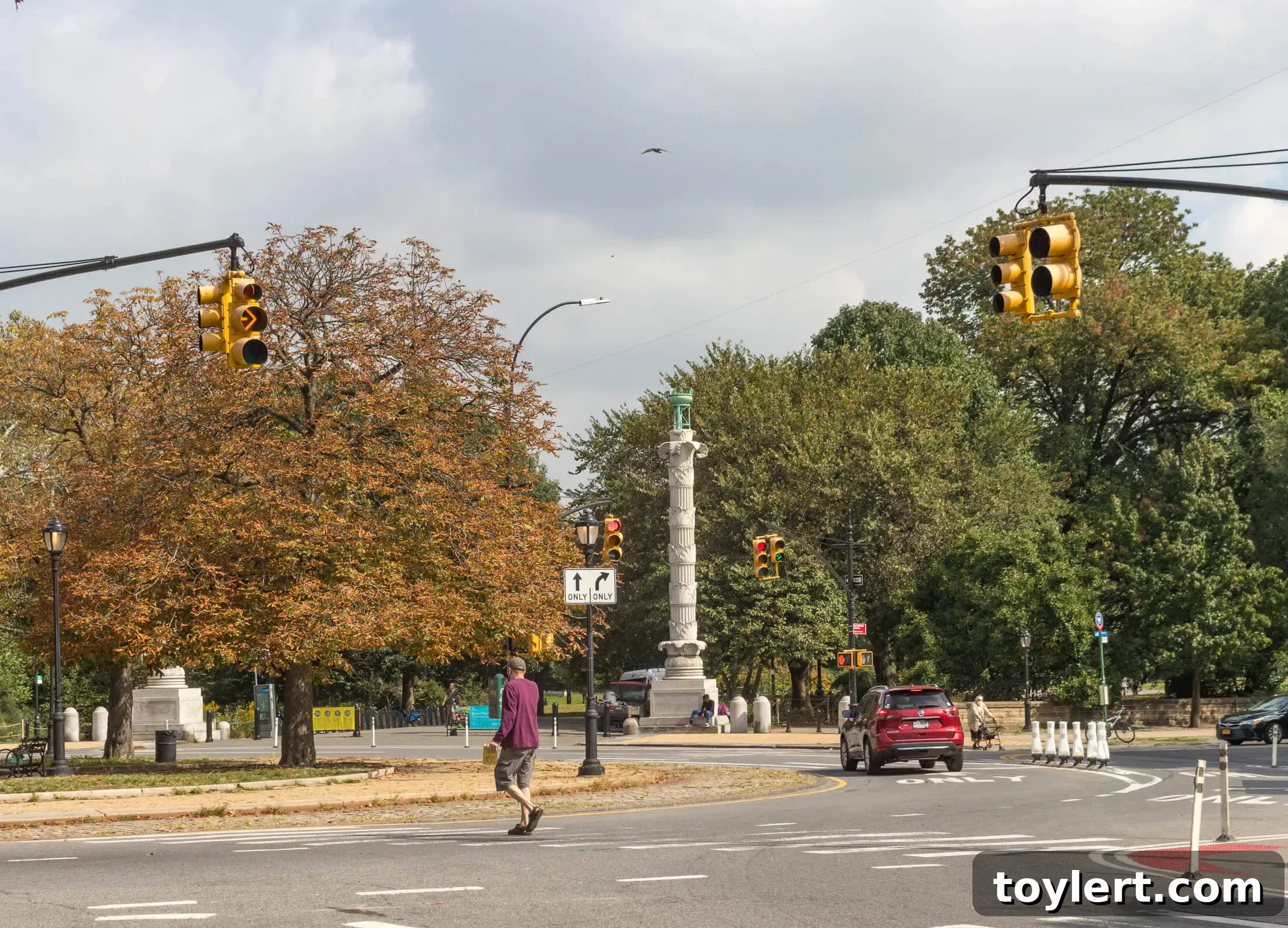
As the annual cycle of civic engagement continues to empower communities, the voting period for participatory budgeting across numerous Brooklyn City Council districts consistently marks a pivotal moment for local residents. These cycles, like the one culminating on April 10, 2022, offer a unique opportunity for citizens to directly influence how public funds are allocated, shaping the future of their neighborhoods one project at a time. This article delves into the transformative power of participatory budgeting, exploring its core principles, the mechanics of its implementation in Brooklyn, and the profound impact it has on fostering a more engaged and responsive local government. We will examine the types of projects typically proposed and highlight the critical role residents play in making these community-driven visions a reality.
What is Participatory Budgeting? A Foundation of Local Democracy
Participatory Budgeting (PB) is a democratic process in which community members directly decide how to spend part of a public budget. Originating in Porto Alegre, Brazil, in 1989, PB has since spread to thousands of cities worldwide, including New York City. At its heart, PB is about empowering ordinary citizens to have a direct say in governance, moving beyond traditional representative democracy to a more direct, inclusive form of decision-making. Each spring, typically, the Mayor’s office and the City Council collaborate to construct the city’s comprehensive budget for the upcoming fiscal year. Integral to this complex process, which usually concludes by July 1st when the newly amended budget takes effect, is the allocation of capital funds. Participatory budgeting carves out a portion of these funds, placing the power of decision-making directly into the hands of the people.
Instead of city officials solely dictating how a specific sum of money will be spent within a council district, PB invites residents to brainstorm ideas, develop concrete proposals, and ultimately vote on which projects receive funding. This innovative approach fosters greater transparency, accountability, and equity in public spending. It ensures that investments are made in projects that truly reflect the most pressing needs and priorities of the communities they serve, rather than being dictated by top-down directives. Through PB, residents gain invaluable insight into the complexities of public finance and urban planning, transforming them from passive recipients of services into active co-creators of their urban environment.
The Benefits of Empowered Communities
The advantages of participatory budgeting extend far beyond mere financial allocation. It builds stronger, more cohesive communities by encouraging neighbors to collaborate, discuss shared challenges, and collectively envision solutions. When residents participate, they develop a deeper sense of ownership and responsibility for their public spaces and services. This civic engagement often leads to increased trust between citizens and their local government, as the process demonstrates a tangible commitment to listening to and acting upon community input.
Moreover, PB often results in more innovative and creative solutions to local problems. Residents, with their intimate knowledge of their neighborhoods, can identify nuanced needs that might be overlooked by city planners. From renovating parks and upgrading school technology to improving street safety and creating vibrant public art installations, the diversity of projects reflects the unique character and aspirations of each district. The process also serves as a powerful educational tool, teaching participants about municipal finance, urban planning, and the democratic process itself, thereby cultivating a new generation of informed and engaged citizens.
Participatory Budgeting in Brooklyn: A Snapshot of Local Impact
Brooklyn, a borough renowned for its diverse neighborhoods and vibrant community spirit, has been a significant participant in New York City’s participatory budgeting initiative. Each year, several Brooklyn City Council districts opt to allocate a portion of their discretionary capital funds—often around $1 million per council member—through the PB process. This allows constituents in these specific districts to have a direct say in how these funds are invested in local improvements that matter most to them. The initiative showcases local democracy in action, transforming abstract budget figures into tangible improvements within schools, parks, libraries, and public spaces.
While the exact number of participating districts can fluctuate each year, the commitment to citizen-led budgeting remains a cornerstone of civic life in Brooklyn. For example, during the cycle that concluded its voting period on Sunday, April 10, 2022, five Brooklyn City Council districts actively engaged their communities in this powerful democratic exercise. These districts represented a wide cross-section of Brooklyn, each with its unique demographic and infrastructural needs, all united by the common goal of enhancing local quality of life through direct citizen input.
The Journey from Idea to Implementation
The participatory budgeting cycle typically unfolds over several months, a structured journey designed to maximize community input and ensure viable project outcomes. It usually begins in the fall with an idea generation phase, where residents are invited to submit proposals for improvements in their neighborhoods. These ideas can range from minor upgrades to significant infrastructural enhancements. Community meetings are held to discuss these initial concepts, allowing residents to collectively refine and expand upon them.
Following this, volunteer “budget delegates”—ordinary citizens who dedicate their time to the process—work closely with city agencies and council staff to research the feasibility and cost of the proposed projects. This vetting phase is crucial, as it ensures that proposals are realistic, meet city guidelines, and can be implemented within the allocated budget. The delegates then transform viable ideas into detailed ballot proposals, complete with estimated costs and descriptions.
The next crucial step is the “Project Expo,” an event where the final proposals are presented to the public. Residents have the opportunity to learn more about each project, ask questions, and engage with the budget delegates. This public showcase is vital for informing voters and building excitement around the upcoming vote. Finally, the voting period opens, allowing all eligible residents within the participating districts to cast their ballots for the projects they believe will most benefit their community.
The Voting Period: Your Voice, Your Vote
The voting period is the culmination of months of community effort and engagement, representing the moment when residents directly decide the fate of proposed projects. For cycles like the one concluding on April 10, 2022, this period is a critical window for civic participation. Eligibility requirements are designed to be inclusive; typically, any resident aged 11 and older who lives in a participating district, regardless of immigration status, can vote. This broad eligibility ensures that the voices of all community members, including youth and non-citizens, are heard and valued in the decision-making process.
Historically, voting has been made accessible through various channels, including online platforms and in-person polling sites located at community centers, libraries, and schools. This multi-pronged approach aims to remove barriers to participation and encourage a high voter turnout. The act of voting in participatory budgeting is more than just selecting preferred projects; it’s an affirmation of local democracy and a powerful demonstration of collective agency. Every ballot cast contributes directly to the allocation of public funds, empowering residents to become architects of their own neighborhoods.
The weeks leading up to the voting deadline are often characterized by intensive outreach efforts from council members, community organizations, and budget delegates. These efforts aim to inform as many residents as possible about the projects on the ballot, explain the voting process, and underscore the significance of their participation. High voter turnout not only legitimizes the selected projects but also sends a clear message to elected officials about the community’s priorities and its readiness to engage in local governance.
Projects Proposed: Shaping Brooklyn’s Future
The diversity of projects proposed through participatory budgeting in Brooklyn is truly remarkable, reflecting the varied needs and aspirations of its many neighborhoods. While specific proposals change with each annual cycle, they generally fall into several key categories:
- Infrastructure Upgrades: This often includes improvements to streets, sidewalks, and crosswalks to enhance pedestrian safety, as well as repairs or installations of new streetlights, bus stop shelters, and public seating.
- Parks and Green Spaces: Projects frequently focus on renovating playgrounds, upgrading sports facilities, planting trees, creating community gardens, and improving park amenities like benches, water fountains, and pathways.
- School Enhancements: Many proposals aim to benefit local schools, such as upgrading technology in classrooms, improving libraries, renovating auditoriums, creating outdoor learning spaces, or enhancing schoolyards.
- Community Facilities: This category might include improvements to senior centers, youth centers, or other community hubs, ensuring they are accessible, modern, and able to better serve their constituents.
- Environmental Initiatives: Projects focused on sustainability, such as installing solar panels on public buildings, creating composting programs, or funding initiatives for clean water and air quality.
Each chosen project directly addresses a perceived need or desire within the community, making a tangible difference in the daily lives of residents. For instance, a renovated playground might provide a safe and engaging space for children, while new streetlights could significantly improve nighttime safety and security. The funds allocated through PB directly translate into concrete improvements that enhance the quality of life, boost community pride, and strengthen the social fabric of Brooklyn’s neighborhoods.
The Lasting Impact and Future of Participatory Budgeting
The impact of participatory budgeting extends far beyond the completion of individual projects. It cultivates a more informed, engaged, and empowered citizenry. Residents who participate gain a deeper understanding of how their local government works, fostering a sense of ownership and responsibility for their communities. This increased civic capacity is a long-term benefit, preparing residents to engage in other forms of advocacy and leadership.
Looking ahead, participatory budgeting continues to evolve, with efforts constantly underway to make the process even more accessible, transparent, and impactful. Expanding its reach to more districts, streamlining the proposal and vetting phases, and leveraging technology to enhance participation are ongoing goals. The success of past cycles, exemplified by the community-driven projects funded across Brooklyn, serves as a powerful testament to the potential of direct democracy.
As Brooklyn continues to grow and adapt, participatory budgeting remains a vital tool for ensuring that development is equitable, responsive, and truly reflective of the people it serves. It embodies the principle that those closest to the problems are often best equipped to find the solutions. By empowering residents to allocate public funds, participatory budgeting reinforces the idea that local government functions best when it is truly by the people, for the people. The continuous engagement of Brooklynites in this process ensures a vibrant, responsive, and truly democratic future for the borough.